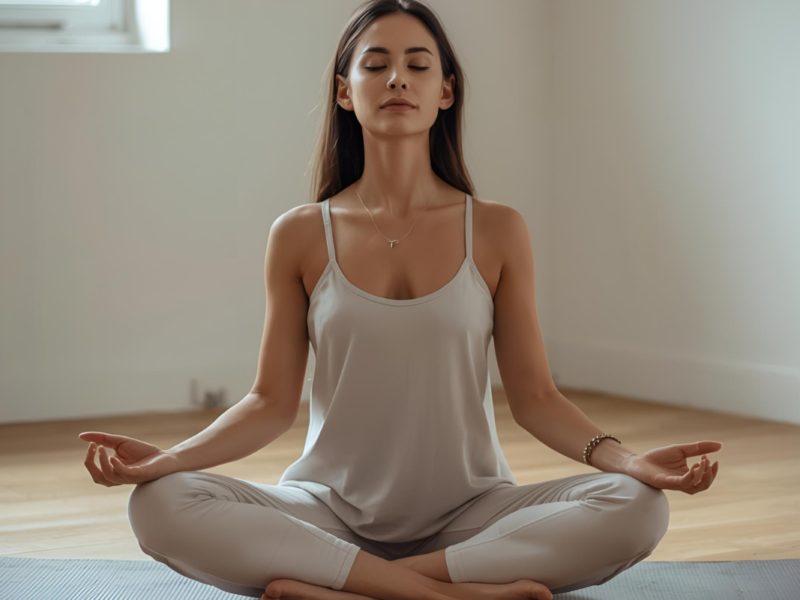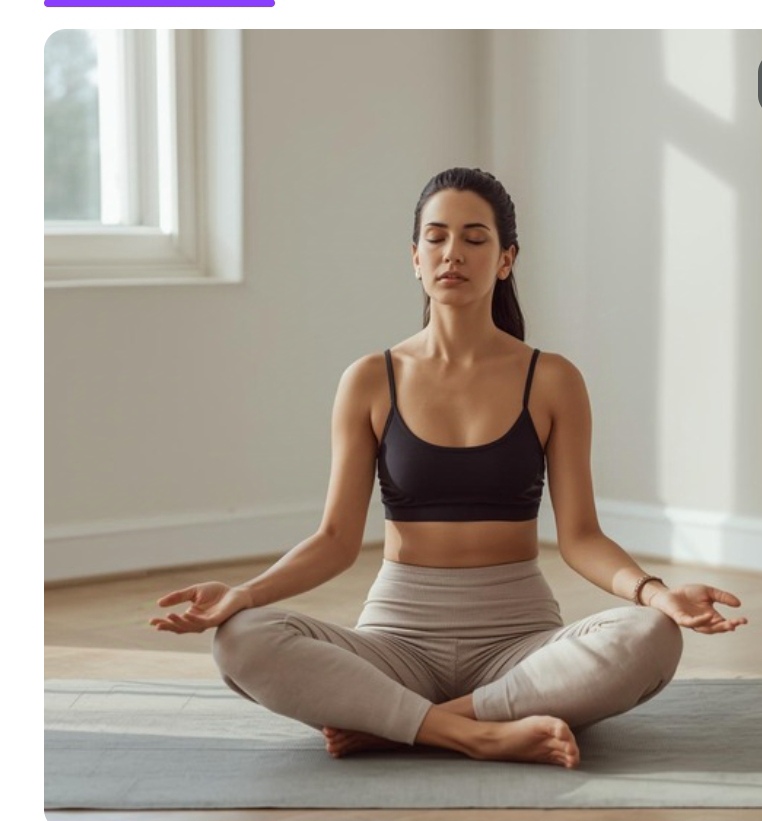
I noticed that I was always sick, tired, and overwhelmed, and I found myself going in and out of the hospital more often than I wanted.Meditation for peace of mind and calmness became important to me when I finally discovered meditation during that difficult period of my life.
When I started meditating regularly, I noticed I began to feel better, calmer, and more at ease. I no longer visited the hospital as frequently as before, and my body responded positively to the practice. I believe this is because meditation helps introduce more oxygen into the body, and proper oxygen flow supports healing, relaxation, and overall well-being.
When things became too much, I discovered meditation. I started slowly, without any big expectations. Since I began meditating, I noticed something remarkable. I started feeling better.
The frequent hospital visits reduced, and I felt a sense of calm and peace that I had not experienced in a long time. I believe one of the reasons meditation helped me was because it encouraged deep, intentional breathing. When you meditate, you introduce more oxygen into your system, and oxygen plays a powerful role in supporting the body and restoring balance.
That was the beginning of my journey with meditation.
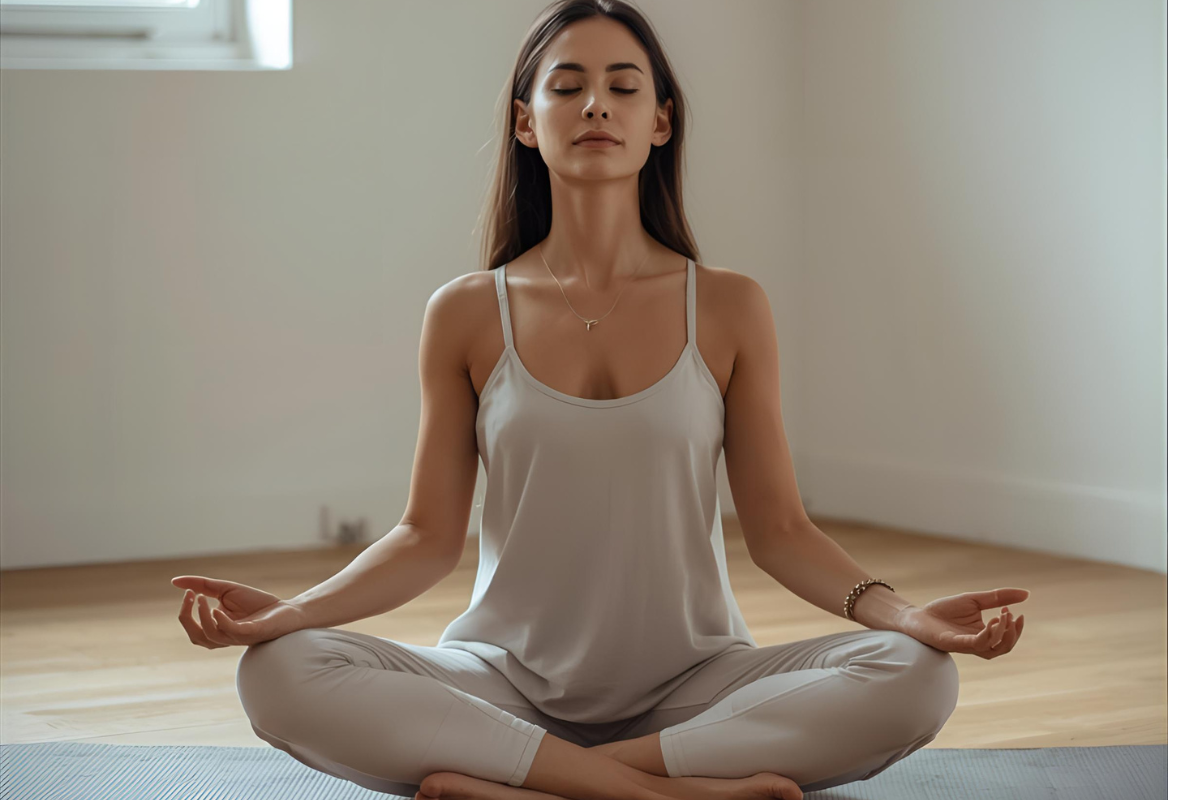
Understanding What Meditation Really Is
Meditation is often misunderstood. Many people think it is complicated, spiritual, or only meant for certain people. In reality, meditation is simply the practice of being still, breathing consciously, and allowing your mind and body to relax.
Meditation does not require special equipment or a perfect environment. It does not mean you must stop thinking completely.
It simply means you are creating space to slow down, breathe deeply, and become aware of how you feel in the moment.
This awareness is where calmness begins.
Meditation for Peace of Mind and Calmness
One of the biggest reasons people struggle with stress is because the mind is constantly active. Thoughts move from one worry to another without rest. Meditation helps interrupt this cycle.
When you sit quietly and focus on your breathing, your nervous system begins to relax. The body moves away from constant tension and enters a calmer state. Over time, this practice trains the mind to respond more gently to stress instead of reacting immediately.
This is why meditation brings calmness. It gives the mind permission to pause.
The Role of Oxygen in Meditation and Health
During meditation, breathing becomes deeper and more intentional. This allows more oxygen to enter the body. Oxygen is essential for healing, energy, and proper body function.
When the body receives enough oxygen, circulation improves, muscles relax, and stress hormones reduce. This can explain why meditation made me feel stronger physically and emotionally. My body was no longer operating in survival mode.
Deep breathing during meditation supports the immune system and helps the body recover from prolonged stress.
Meditation and Peace of Mind
Peace of mind does not mean life becomes perfect or free of challenges. It encourages peace of mind by helping you manage how you respond to those challenges.
With regular meditation, you begin to notice your thoughts instead of being controlled by them. You learn to sit with emotions without feeling overwhelmed. This creates inner stability, even when external situations are difficult.
Over time, this inner stability becomes peace. Because, meditation for peace and calmness in no joke and should be taken seriously.
How Meditation Affected My Daily Life
As meditation became part of my routine, I noticed changes beyond my health. I became more patient. I reacted less emotionally to stress. I felt more grounded and present in my daily activities.
Even my sleep improved. I felt more rested, and my energy levels became more balanced. Meditation for peace and calmness helped me reconnect with my body and listen to its signals before exhaustion took over.
Simple Ways to Start Meditating
You do not need to meditate for long hours to experience benefits. Even a few minutes each day can make a difference.
Start by sitting comfortably in a quiet place. Close your eyes and focus on your breathing. Inhale slowly through your nose, then exhale gently through your mouth. If your mind wanders, gently bring your attention back to your breath.
Consistency matters in meditation for peace and calmness more than duration. A few minutes daily is better than one long session occasionally.
Common Mistakes People Make With Meditation for peace and calmness
Many people stop meditating because they expect instant results. Meditation is not about perfection or immediate transformation. It is a gradual process.
Another common mistake is trying too hard to control thoughts. Thoughts will come and go naturally. Meditation teaches acceptance, not resistance.
The goal is calm awareness, not silence.
Why Meditation Is Worth Practicing
Meditation supports both mental and physical health. It encourages relaxation, improves breathing, and promotes emotional balance. It helps reduce stress, supports healing, and creates a sense of peace that carries into daily life.
For me, meditation became a turning point. It helped restore calmness and peace when my body and mind desperately needed it.
If this interests you, you may check my post on how to find peace of mind in difficult times