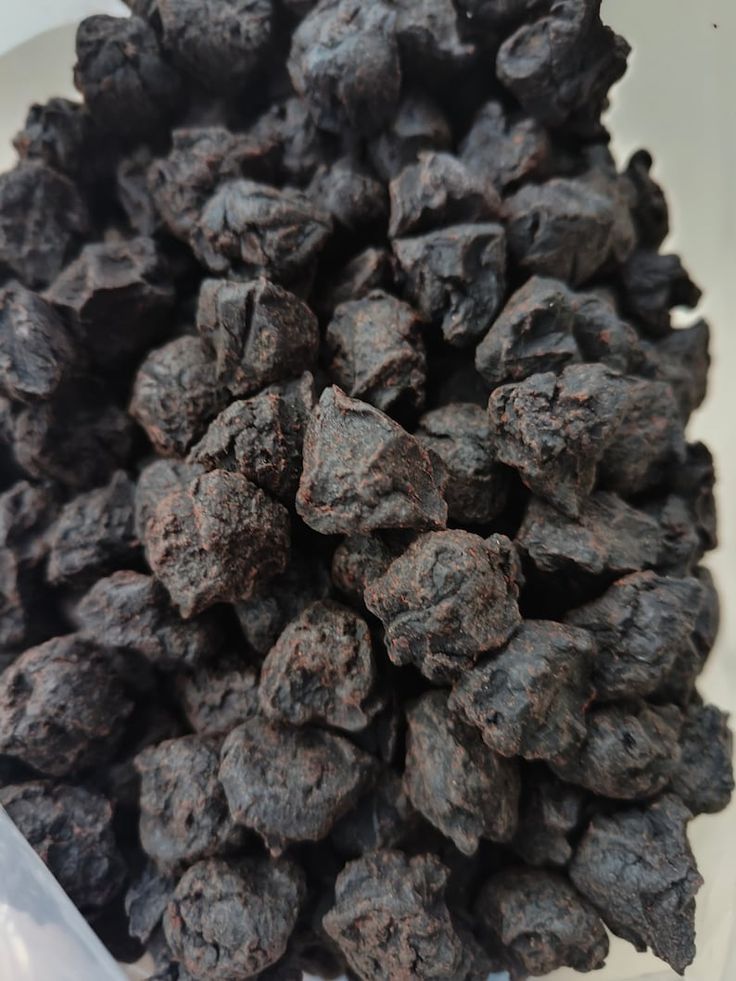
Knowing how to make ogiri okpei Nsukka is one thing, but learning how to use it in cooking brings out its full value. Add a small piece when preparing soups like egusi, ogbono, oha or bitter leaf.
You can melt it in a little hot water before adding or add it directly after pounding. Use in moderation, as its flavor is strong and concentrated.
You Can Also Read;
How to Cook Egusi with Lumps and Bitter Leaf (Onugbu)
Health Benefits of ogiri okpei
Aside from learning how to make ogiri okpei, it’s important to note its health benefits. Ogiri okpei is rich in protein, vitamins and natural probiotics from fermentation.
It aids digestion, adds flavor without additives, and its a healthier seasoning compared to chemical stock cubes.
Ingredients
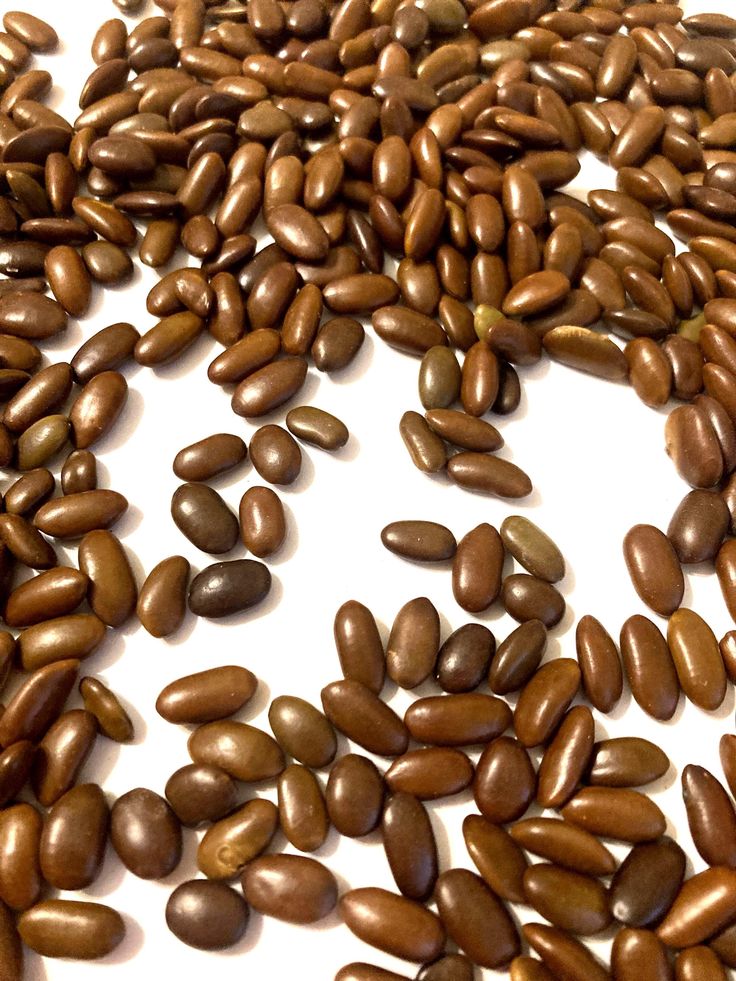
- Locust beans (iru)
- water
- salt(optional)
How to make okpei Nsukka step by step
Seed Preparation
- To begin how to make okpei Nsukka, wash the seeds thoroughly to remove dirt and sand.
- Boil the seeds until they are soft. This can take several hours depending on the seed.
Dehulling
- Once boiled, press the coated seed to remove the clean beans inside.
- Wash afterwards to separate the remaining chaff from the clean seed.
Fermentation
Fermentation is the most imortant part of how to make okpei Nsukka.
- Place the cleaned seeds inside banana leaves or a tightly covered container to avoid flies from perching on them.
- Leave them to ferment for 5-7 days at room temperature. The longer they ferment, the stronger the aroma and taste.
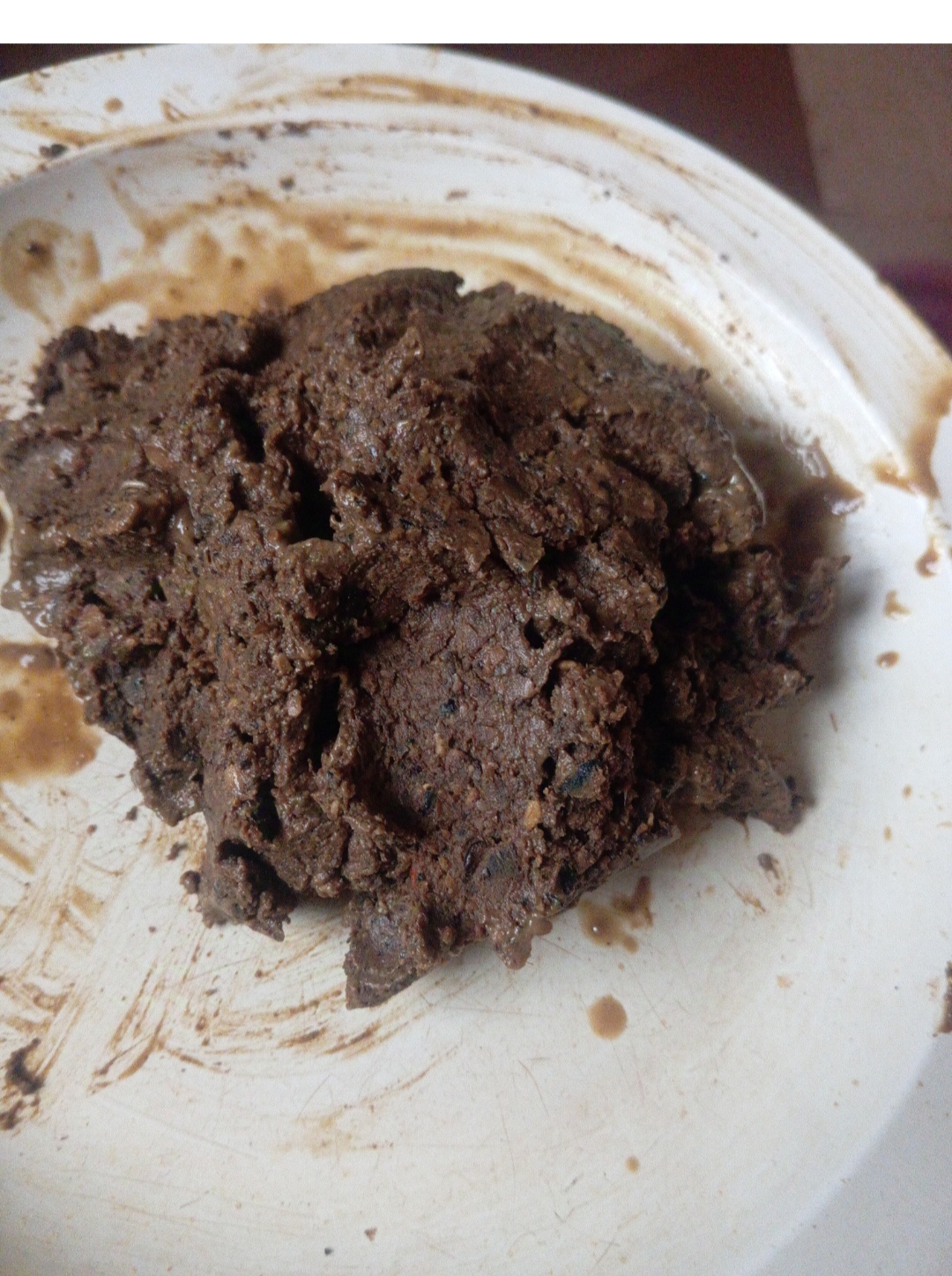
Molding
- After fermentation, mash the seeds into a thick paste.
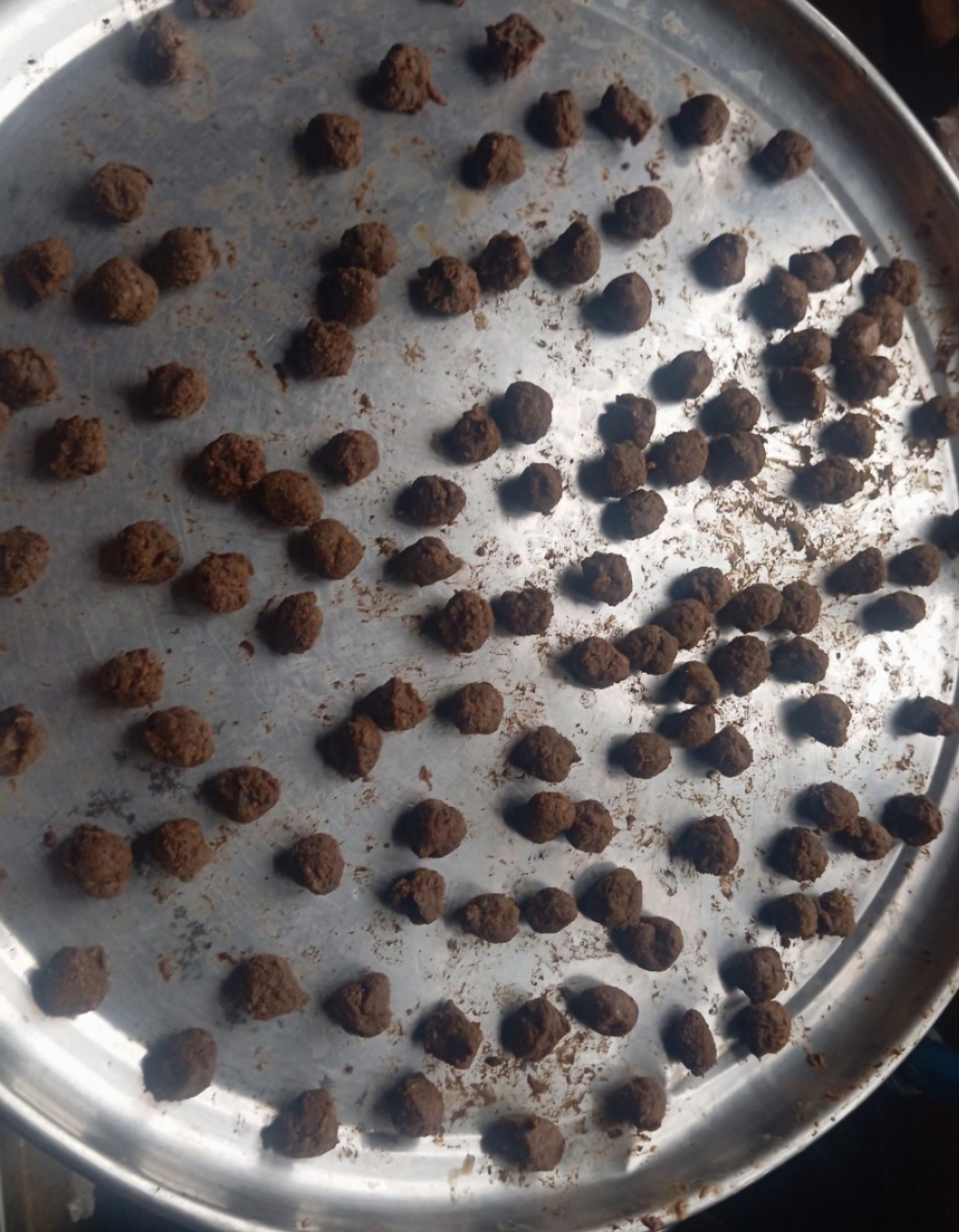
- Mold them into small round or flat shapes.
Drying
- Dry the molded ogiri okpei under the sun until firm.
- Store in airtight containers for use in cooking.
Okpei Nsukka is simple to prepare with locust beans, careful fermentation, and proper drying. The result is a rich seasoning that adds depth and authenticity to traditional soups and stews. Trust me, it’s yummy!!!
By following these steps, you now understand how to make ogiri okpei Nsukka and enjoy its authentic taste in your cooking.
Frequently Asked Questions About Ogiri Okpei Nsukka
What is ogiri okpei?
Ogiri okpei is a traditional Nigerian fermented seasoning made from legumes such as castor seeds. It has a strong, distinctive aroma and is commonly used to add depth and umami flavor to soups and stews.
What is Ogiri Okpei Nsukka used for?
Ogiri okpei is commonly used in traditional soups such as oha soup, egusi soup, bitter leaf soup, and other Nigerian dishes. A small amount can add a rich, savory flavor to your food.
How long does it take to make okpei?
The process takes several days because the seeds need to be properly cooked, fermented, and processed. The exact time can vary depending on the weather and fermentation conditions.
Why does okpei have a strong smell?
The strong smell comes from the natural fermentation process. Although the aroma can be quite intense, properly prepared ogiri okpei gives soups and stews a delicious traditional flavor.
How should I store homemade okpei?
After it has been properly fermented and prepared, store ogiri okpei in a clean, airtight container. Keep it refrigerated if you want it to last longer, and always use a clean, dry spoon when taking some out.
Can I use okpei in every Nigerian soup?
You can use it in many traditional soups, but it is particularly popular in soups where its strong fermented flavor complements the other ingredients. Use only a small amount at first because the flavor is quite powerful.
Conclusion
Making ogiri okpei Nsukka at home is a traditional process that requires patience, proper preparation, and careful fermentation.
Although the process takes time, the result is a flavorful seasoning that can give Nigerian soups that distinctive traditional taste.
Once your ogiri okpei is ready, store it properly and use it sparingly in your favorite soups to enjoy its rich, savory flavor.
How To Cook Delicious Meals With Little Ingredients